Wellhead Protection
Crystal Falls Township
Randy Bucek, Foreman
1384 W. US 2; P. O. Box 329Crystal Falls, MI 49920
Phone: (906) 284-3397
foreman@crystalfallstownship.org
Public Works Hours: Monday - Friday 7:00 AM-3:00 PM
Public Works Services
Protecting our water resources from infiltration has been a major concern for units of government for several years. Prompted by the Michigan Department of Environmental Quality, government officials have been working on wellhead and groundwater protection issues. Crystal Falls Township has been taking an active role in trying to educate the community about the importance of protecting the sources of our water supply. Township Trustee Diane Kut along with Randy Bucek and the well head committee have been working on the issue, and are here to explain the importance of the effort.
Wellhead Protection Area Ordinance #103 (PDF)
Well Head Maps
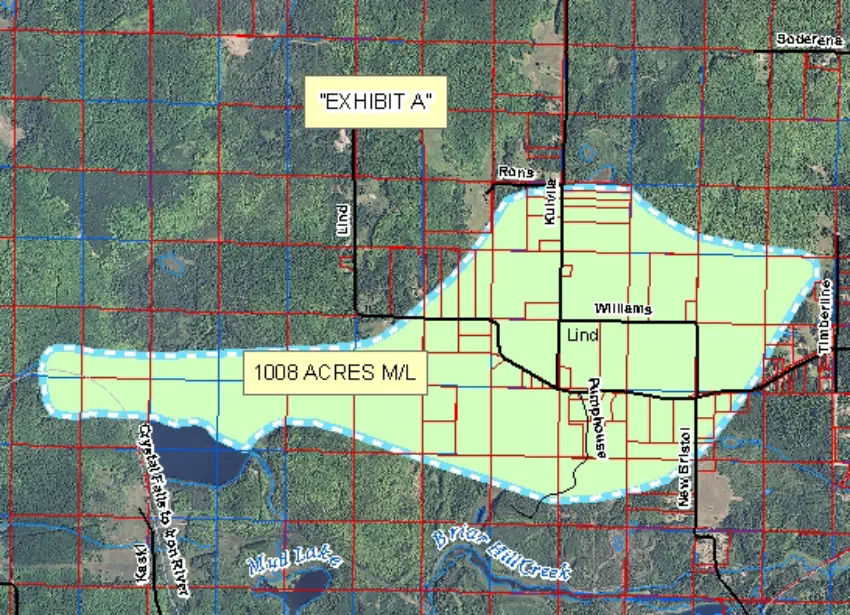
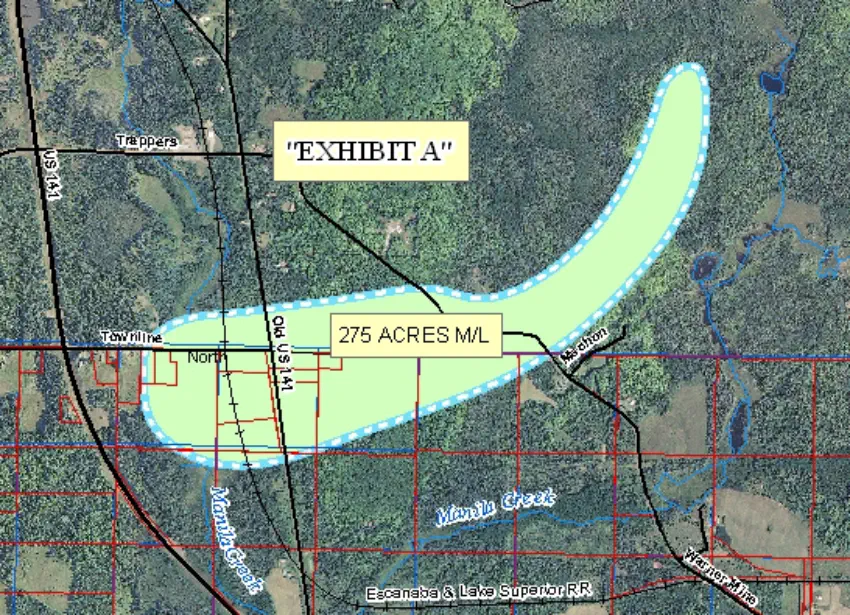
Why is protecting the groundwater so important?
Protecting our water resources from infiltration has been a major concern for units of government for several years. Prompted by the Michigan Department of Environmental Quality, government officials have been working on wellhead and groundwater protection issues. Crystal Falls Township has been taking an active role in trying to educate the community about the importance of protecting the sources of our water supply. Township Trustee Diane Kut along with Terry Alexa and the well head committee have been working on the issue, and are here to explain the importance of the effort.
How did you get involved in the effort?
When Crystal Falls Township entered into the rural development contract to complete our water system improvements, grant monies was available to any community that was willing to accept the responsibility for protecting our well head areas and the surrounding land within the well head protection area. Crystal Falls Township applied for the grant monies which required:
A 50 % match of township dollars
A commitment to complete a work plan, identify contaminant source by researching, inventory and documenting all contamination sites.
Develop a contingency PlanIncorporate the area into the township master plan and complete a well head ordinance.
What can be done to protect groundwater?
Everyone of us need to be informed of a potential source of contamination whether its chemicals, wastes, or other hazardous materials that are in our possession, stored, and may leak, spill, or be applied to the land surface.
Potential sources of contaminations are:
• Aboveground and underground storage tanks
• Landfills, lagoons, and septic systems
• Places where hazardous materials are used or stored
• Industrial & manufacturing facilities
• Over application of agricultural chemicals
• Active or abandoned wells
• Active or abandoned landfills
• Areas of known groundwater contamination
Some reminders to our residents:
• Never pour leftover hazardous products (such as used oil, gasoline and paint thinner) onto the ground or road, or into any stream, lake, river, floor drain, septic system, or street sewer.
Click here for more information
Lortie Plumbing and Heating was awarded the bid for installation of all residential and commercial water meters. The meters were mandatory with the funding we received from Rural Development. The meters that we purchased are SENSUS meters and one of the reasons we went with SENSUS is because our commercial accounts that were already metered starting back in the 60’s mostly consisted of SENSUS meters and most of these meters were compatible to the new read system. All 630 meters are radio read. A receiver is placed in the Public Works vehicle along with a laptop computer that runs the software for the meter program.
The receiver picks up a signal transmitted by the white box or MXU that is located outside of the home or business.
Signal range depends on the location but we have noticed that we collect readings from about a 2 mile radius. After the Public Works Superintendent drives the 100 and some mile route, he downloads the information from the laptop to a USB flash drive. The Utility Billing Clerk then enters the collected information from the flash drive into her computer and everything is printed out for usage and billing. The whole reading process from hook-up of equipment in the vehicle to downloading the flash drive takes 4.5 hours.
Another interesting aspect that occurred with the Water Project has to do with radio also. Both water systems, the Lind and Townline were adapted to be controlled by radios several years ago. During the project we upgraded the system to do more than it used to. Each site (tanks, wells, valves etc.) has a control panel with a 5 watt radio which is licensed through the FCC. The water tanks send a signal to the well houses. When the water level gets to a specific low water set point, the well turns on and fills the tank to the offset point. The master control panel for the water system is located at the Public Works office.